How to Source Sacha Inchi for Your Supplement Brand: A Complete Procurement Guide
Published on May 18, 2026 · By Caleb Lim, Founder · Asia Eco Farm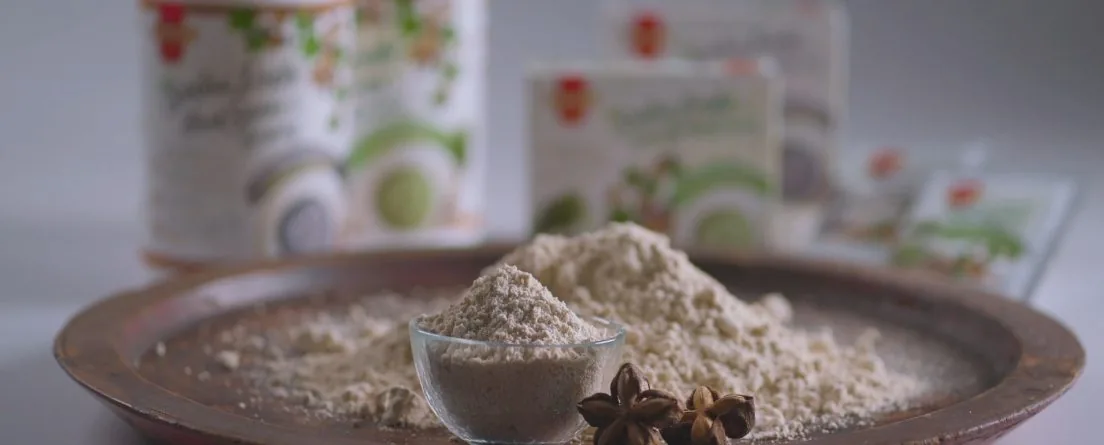
Sacha Inchi is appearing on more product development briefs than at any previous point in the ingredient's commercial history. A Sacha Inchi market growing at 10–12% CAGR through 2032 reflects real buyer demand — but for supplement and food brands new to the ingredient, the sourcing landscape can feel opaque. Which format do you need? What certifications must your supplier hold? What is a realistic MOQ? What quality tests should you require?
This guide walks you through every stage of a Sacha Inchi procurement decision, from defining your product brief to receiving and releasing your first production batch.
Step 1: Define Your Product Format
Sacha Inchi is commercially available in three principal ingredient formats, each suited to different product applications:
| Format | Best For | Key Specs to Request |
|---|---|---|
| Cold-Pressed Oil | Softgel capsules, liquid supplements, culinary oil, cosmetic formulations, facial serums | Fatty acid profile (ALA%), Vitamin E content, acid value, peroxide value, free fatty acid % |
| Defatted Protein Powder | Protein powders, meal replacements, functional foods, bars, sports nutrition, vegan protein blends | Protein % (as-is and dry basis), moisture %, amino acid profile, particle size, heavy metals |
| Softgel Capsules (ODM) | Finished supplement products for private label sale under your brand | Capsule size (softgel), fill weight, shell type (bovine/fish gelatin or plant-based), packaging format |
If you are at the formulation stage, request Technical Data Sheets (TDS) and Certificates of Analysis (CoA) from any shortlisted supplier before committing. A reputable supplier should provide these without a purchase order.
Step 2: Identify Your Certification Requirements
The certifications your Sacha Inchi supplier must hold depend entirely on the claims you want to make on your finished product and the regulatory requirements of your target market. Map this before you start supplier conversations:
- USDA Organic: Required if your product will carry "USDA Organic" or "organic ingredients" on the label in the US, and strongly preferred by premium retailers globally. Your supplier must hold a valid USDA Organic certificate that covers the specific ingredient you are sourcing.
- HACCP: Hazard Analysis and Critical Control Points certification verifies that the supplier's production facility has a documented food safety management system. This is a baseline expectation for supplement-grade ingredients and is required by many contract manufacturers before they will accept incoming raw materials.
- GMP (Good Manufacturing Practice): Verifies that the facility operates under manufacturing quality standards appropriate for food supplement production. HACCP and GMP certifications together form the minimum quality baseline for serious supplement ingredient sourcing.
- Laos Organic / Country Organic: For brands selling into markets that accept or require local organic certification, country-level organic certification (such as the Laos Organic standard) provides an additional layer of certification traceability from farm to processing.
- ISO certifications: ISO 22000 (food safety management) and ISO 9001 (quality management) provide additional assurance. Not universally required but preferred by enterprise buyers with formal supplier qualification processes.
Always request copies of current certificates and verify validity dates. A certificate that expired six months ago is not compliance — it is a gap.
Step 3: Understand Minimum Order Quantities
MOQ is one of the first questions procurement teams ask, and the answer varies significantly by supplier type and ingredient format:
| Format | Typical MOQ (Asia Eco Farm) | Notes |
|---|---|---|
| Cold-Pressed Oil (bulk) | 50 litres (bulk drum) | 25L sample drums available for formulation trials |
| Protein Powder (bulk) | 100 kg | Sample quantities (500g–2kg) available for testing |
| Softgels (ODM finished) | 10,000 units per SKU | Custom formulation, branding, and packaging available |
For brands launching a first product or running formulation trials, most established Sacha Inchi suppliers will provide sample quantities before committing to a full production order. Always request samples — both to validate specifications against your CoA requirements and to confirm sensory properties (colour, odour, flavour) match your formulation brief.
Step 4: Define Your Quality Testing Requirements
When receiving Sacha Inchi ingredients, your inbound quality control process should verify the following parameters against the supplier's Certificate of Analysis:
For Sacha Inchi Oil
- Fatty acid profile by GC: ALA (≥48%), LA (≤36%), OA (≤12%)
- Acid value (freshness indicator): <2.0 mg KOH/g
- Peroxide value (oxidation indicator): <5.0 meq/kg
- Vitamin E (tocopherols): report total and alpha/gamma/delta fractions
- Colour (Gardner or Lovibond): confirm no excessive darkening
- Heavy metals (lead, cadmium, arsenic, mercury): to applicable food limits
- Pesticide residues: request residue testing certificate from each batch
For Sacha Inchi Protein Powder
- Protein % (Kjeldahl or Dumas method, N × 6.25): ≥60% as-is
- Moisture %: ≤8%
- Fat %: ≤10% (higher oil retention indicates incomplete defatting)
- Particle size D90: confirm against your formulation requirements
- Amino acid profile: full essential amino acid quantification
- Heavy metals: lead, cadmium, arsenic, mercury to applicable limits
- Microbiological: total plate count, yeast & mould, Salmonella, E. coli (absent in 25g)
- Allergen status declaration: tree nut (Sacha Inchi) present
Step 5: Evaluate Your Sourcing Model — Bulk vs. OEM/ODM
The decision between bulk raw material sourcing and OEM/ODM finished product manufacturing is one of the most consequential you will make in your product development process:
Bulk Raw Material Sourcing
You purchase Sacha Inchi oil or protein powder in bulk and handle formulation, contract manufacturing, encapsulation, and packaging separately. This gives you maximum flexibility to combine ingredients and work with your preferred contract manufacturer. It is the right model when you have an established manufacturing partnership, require ingredient blending, or need specific formulation control.
OEM Private Label
The supplier (Asia Eco Farm) provides the Sacha Inchi ingredient in a finished format — softgel capsules, packaged powder, or bottled oil — and you apply your brand label. The supplier handles manufacturing, encapsulation, and quality release. This reduces capital requirements and time to market for brands launching their first Sacha Inchi product. MOQ for OEM formats is higher than for raw ingredients but the total cost per unit is often lower when you account for eliminated manufacturing fees.
ODM Custom Formulation
The supplier works with you to develop a custom formulation — combining Sacha Inchi oil with other active ingredients (e.g., Vitamin D3, CoQ10), designing a specific capsule format, or creating a custom protein blend. This is Asia Eco Farm's ODM service and is particularly suited to brands with differentiated product concepts that do not fit standard formats.
Step 6: Supplier Qualification Checklist
Before placing your first purchase order, run through this qualification checklist with any Sacha Inchi supplier:
- ✓ Current and valid USDA Organic certificate (if required) — check expiry date
- ✓ Current HACCP and GMP certificates — verify issuing body is third-party accredited
- ✓ Facility audit report or third-party audit available on request
- ✓ Certificate of Analysis for the specific lot you are purchasing
- ✓ Full traceability documentation: farm → processing → export
- ✓ Pesticide residue test certificate (current season)
- ✓ Heavy metals test certificate
- ✓ Sample available prior to order commitment
- ✓ Clearly stated lead times (production and shipping)
- ✓ English-language documentation as standard
Step 7: Regulatory Compliance for Your Target Market
Before finalizing your sourcing decision, confirm regulatory status in every market you intend to sell into. The key consideration for Sacha Inchi:
- EU brands: Sacha Inchi oil is an authorized EU Novel Food — proceed. Sacha Inchi protein powder is not EU Novel Food authorized — do not use for EU market formulations. See our EU Novel Food guide.
- US, Singapore, Malaysia, Australia, Japan, Korea: Both oil and protein powder are permitted food ingredients. No pre-market authorization required.
- Health claims: Any specific health claims (e.g., "supports cardiovascular health") require country-specific substantiation and approval. Source the ingredient first; work with a regulatory consultant on claims separately.
Getting Started with Asia Eco Farm
Asia Eco Farm operates from Singapore HQ with farms in Laos and Malaysia. Our standard process for new OEM enquiries:
- Submit an enquiry via our sample request form or contact page specifying your product format, target market, and certification requirements.
- Receive Technical Data Sheet and CoA — we provide full specifications within 2 business days.
- Request samples — oil, protein powder, or finished softgel samples are available for pre-order testing at no charge (shipping at cost).
- Formulation review — our product development team can review your formulation brief and advise on integration specifications.
- Place trial order — first orders are welcome at MOQ. Full production orders follow once your QC approval is complete.
Related Articles
Ready to Source Sacha Inchi for Your Brand?
USDA Organic · HACCP · GMP certified. Singapore HQ, Laos & Malaysia farms. Request samples, download specs, or speak directly with our OEM team.
Request a Sample → View MOQ & Pricing