Sustainable Cultivation: How Asia Eco Farm Grows Sacha Inchi
Published on May 15, 2024 · By Caleb Lim, Founder · Asia Eco Farm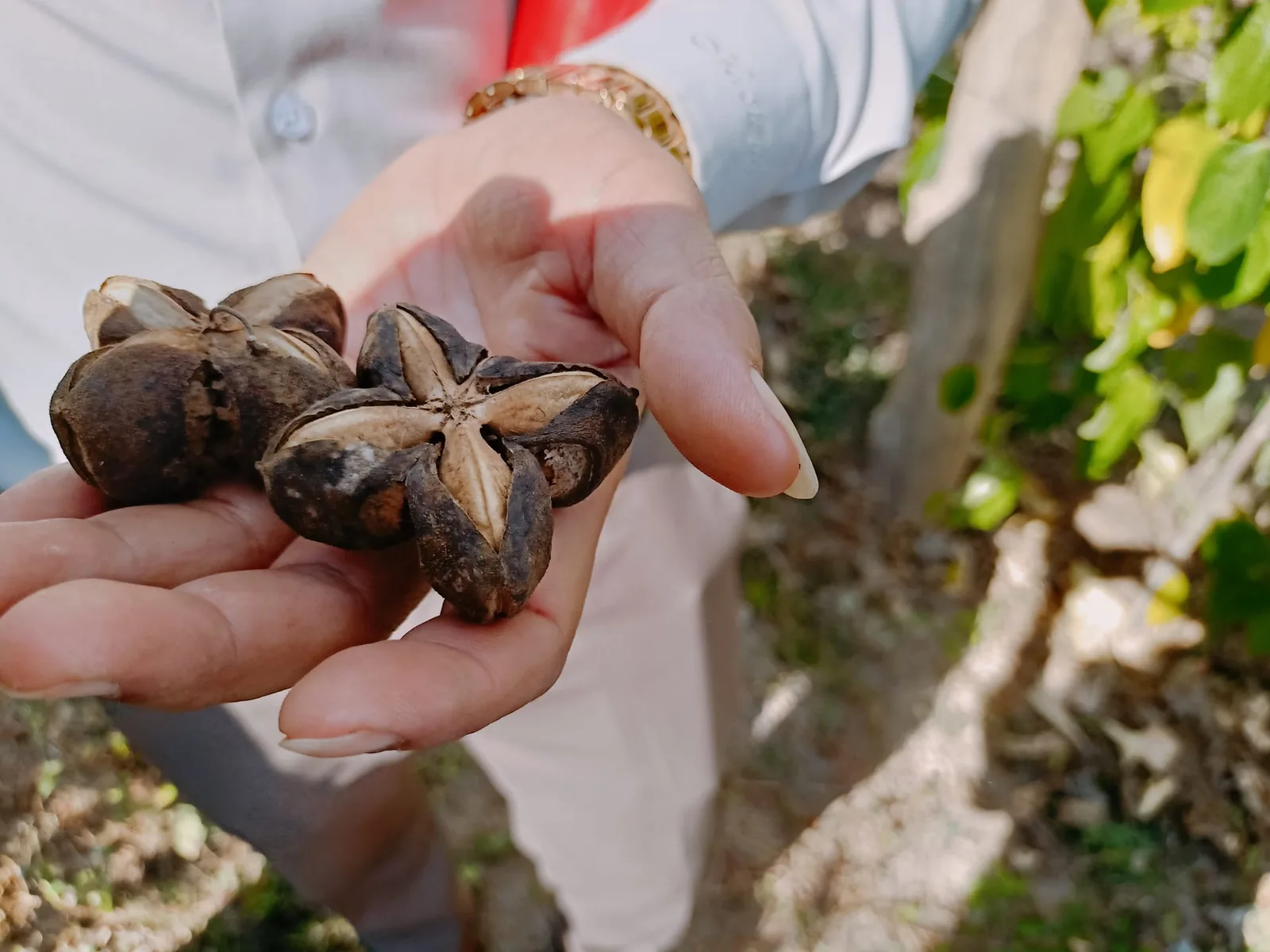
True sustainability starts at the root. At Asia Eco Farm, we've pioneered a regenerative farming model that not only yields premium Sacha Inchi but also restores the land and empowers local communities in Laos and Malaysia.
The Regenerative Agriculture Model
Sacha Inchi is a perennial vine, meaning it produces fruit year-round for decades without needing to be replanted. This minimizes soil disruption, prevents erosion, and creates a stable habitat for local biodiversity. We utilize organic composts and natural pest management, entirely eliminating the need for synthetic chemicals.
Carbon-Negative Farming
Our farms do more than just neutralize our carbon footprint; they actively reduce atmospheric carbon. Sacha Inchi’s deep root system and rapid growth rate make it highly effective at carbon sequestration, allowing Asia Eco Farm to proudly operate as a carbon-negative enterprise.
Empowering Local Farmers
We work directly with indigenous farming communities, providing them with training, fair wages, and a reliable income source. By bypassing the volatile commodity markets, we ensure that our farmers have the financial stability they deserve while producing the highest quality seeds possible.
Sacha Inchi Plant Biology and Growing Cycle
Understanding the plant helps explain why Southeast Asia is an ideal growing region. Plukenetia volubilis, commonly known as Sacha Inchi or "Inca Peanut," is a tropical perennial vine native to the Amazon basin. It thrives in:
- Humid tropical climates with year-round rainfall — conditions found naturally in Laos and Malaysia.
- Elevations between 100–2,000 metres above sea level, with well-drained soils.
- Temperatures of 18–28°C — consistent with lowland and highland tropical zones in Southeast Asia.
As a perennial vine, Sacha Inchi begins producing fruit within 8–12 months of planting and continues for 10–15 years without replanting. This multi-decade production cycle means significantly lower soil disruption, planting costs, and carbon impact compared to annual crops like soy, sunflower, or corn. A mature Sacha Inchi plant produces 2–4 harvests per year.
Southeast Asia vs. Peru: Why Origin Matters
Sacha Inchi is most commonly associated with Peru, where the plant was first cultivated and exported commercially in the early 2000s. However, Southeast Asia — particularly Laos and Malaysia — has emerged as a competitive alternative growing region with distinct supply chain advantages for Asian and international buyers:
| Factor | Southeast Asia (Asia Eco Farm) | Peru (traditional source) |
|---|---|---|
| Shipping to Asia/ANZ | 1–2 weeks, lower freight cost | 5–8 weeks, higher freight cost |
| Shipping to EU/UK | 3–4 weeks | 3–4 weeks (similar) |
| Vertical integration | Farm-to-export, single owner | Typically multiple intermediaries |
| Carbon footprint | Carbon-negative operations | Varies by operator |
| Certifications | USDA Organic, Laos Organic, HACCP, GMP | Varies by supplier |
For supplement and food brands in the Asia-Pacific region especially, sourcing from Southeast Asia provides a meaningful lead time and logistics cost advantage over Peruvian supply chains.
Quality Control and Traceability
The carbon-negative and organic claims Asia Eco Farm makes are backed by documented process controls, not marketing language. Our supply chain traceability system covers:
- Farm-level records: Planting logs, input records (zero synthetic inputs), harvest weights, and lot numbers assigned at harvest.
- Processing records: Each production batch is assigned a batch number traceable to the source farm and harvest date. Temperature logs are maintained for cold-press operations.
- Third-party testing: Every commercial batch is tested for heavy metals (lead, cadmium, mercury, arsenic), pesticide residues, aflatoxins, and microbiological safety before dispatch. Certificates of Analysis (CoA) are supplied with every shipment.
- Annual organic audits: Our USDA Organic and Laos Organic certifications require annual on-site inspections by accredited third-party certifiers — not self-declaration.
What "Carbon-Negative" Actually Means
Carbon neutrality means a business offsets as much carbon as it emits. Carbon negativity means it removes more carbon than it produces. Asia Eco Farm achieves this through three mechanisms:
- Sacha Inchi as a carbon sink: The deep root system and rapid biomass growth of Sacha Inchi vines sequester significant quantities of atmospheric CO₂ per hectare per year — at rates comparable to dedicated reforestation projects.
- No synthetic inputs: Conventional fertiliser and pesticide production is one of agriculture's largest carbon sources. Our zero-chemical-input model eliminates this entirely.
- Perennial crop system: Perennial crops require no annual tillage. Soil carbon that would be released by ploughing stays locked in the ground.
For brands building a sustainability narrative, sourcing from a verified carbon-negative supply chain provides a third-party-auditable claim — not just a marketing story.
Related Articles
Partner With a Carbon-Negative Sacha Inchi Supplier
Source directly from our organic farms in Laos and Malaysia. USDA Organic & HACCP certified. Request a sample or bulk pricing today.
Request a Sample →